776. N-ary Tree Postorder Traversal
2026/1/12大约 1 分钟约 364 字
776. N-ary Tree Postorder Traversal
难度: Easy
题目描述
Given the root of an n-ary tree, return the postorder traversal of its nodes' values.
Nary-Tree input serialization is represented in their level order traversal. Each group of children is separated by the null value (See examples)
Example 1:
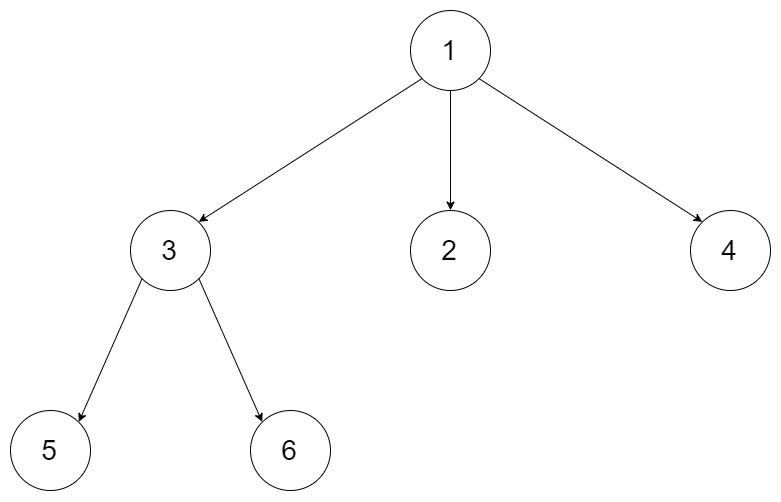
Input: root = [1,null,3,2,4,null,5,6]
Output: [5,6,3,2,4,1]
Example 2:
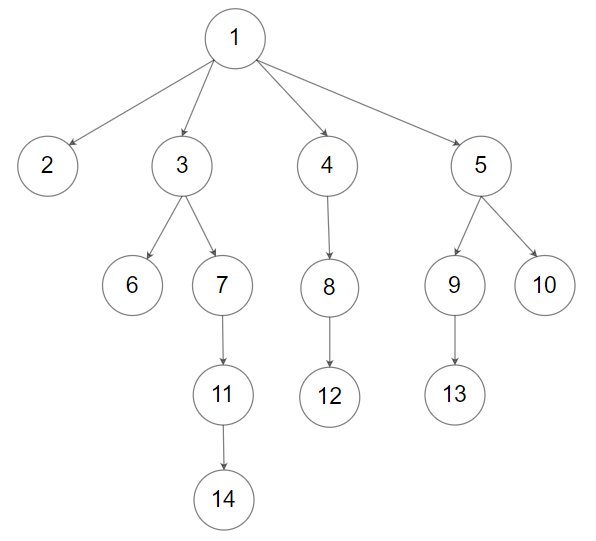
Input: root = [1,null,2,3,4,5,null,null,6,7,null,8,null,9,10,null,null,11,null,12,null,13,null,null,14]
Output: [2,6,14,11,7,3,12,8,4,13,9,10,5,1]
Constraints:
- The number of nodes in the tree is in the range
[0, 104]. 0 <= Node.val <= 104- The height of the n-ary tree is less than or equal to
1000.
Follow up: Recursive solution is trivial, could you do it iteratively?
解题思路
代码实现
解决方案
java
/*
// Definition for a Node.
class Node {
    public int val;
    public List<Node> children;

    public Node() {}

    public Node(int _val) {
        val = _val;
    }

    public Node(int _val, List<Node> _children) {
        val = _val;
        children = _children;
    }
}
*/

class Solution {
    public List<Integer> postorder(Node root) {
        List<Integer> res = new ArrayList<>();
        LinkedList<Node> stk = new LinkedList<>();
        Node cur = root;
        while (cur != null || !stk.isEmpty()) {

            while (cur != null) {
                res.add(cur.val);
                for (int i = 0; i < cur.children.size() - 1; i++) {
                    stk.push(cur.children.get(i));
                }
                if (cur.children == null || cur.children.size() == 0) {
                    cur = null;
                    break;
                }
                cur = cur.children.get(cur.children.size() - 1);
            }

            if (!stk.isEmpty())
                cur = stk.pop();

        }
        Collections.reverse(res);
        return res;
    }
}